Academic Seminar Entitled: “Sheikh Abdullah Al-Makki Rashid (1363–1430 AH / 1944–2009 AD): Scholarship, Reform, and Legacy”
Msallata, Libya
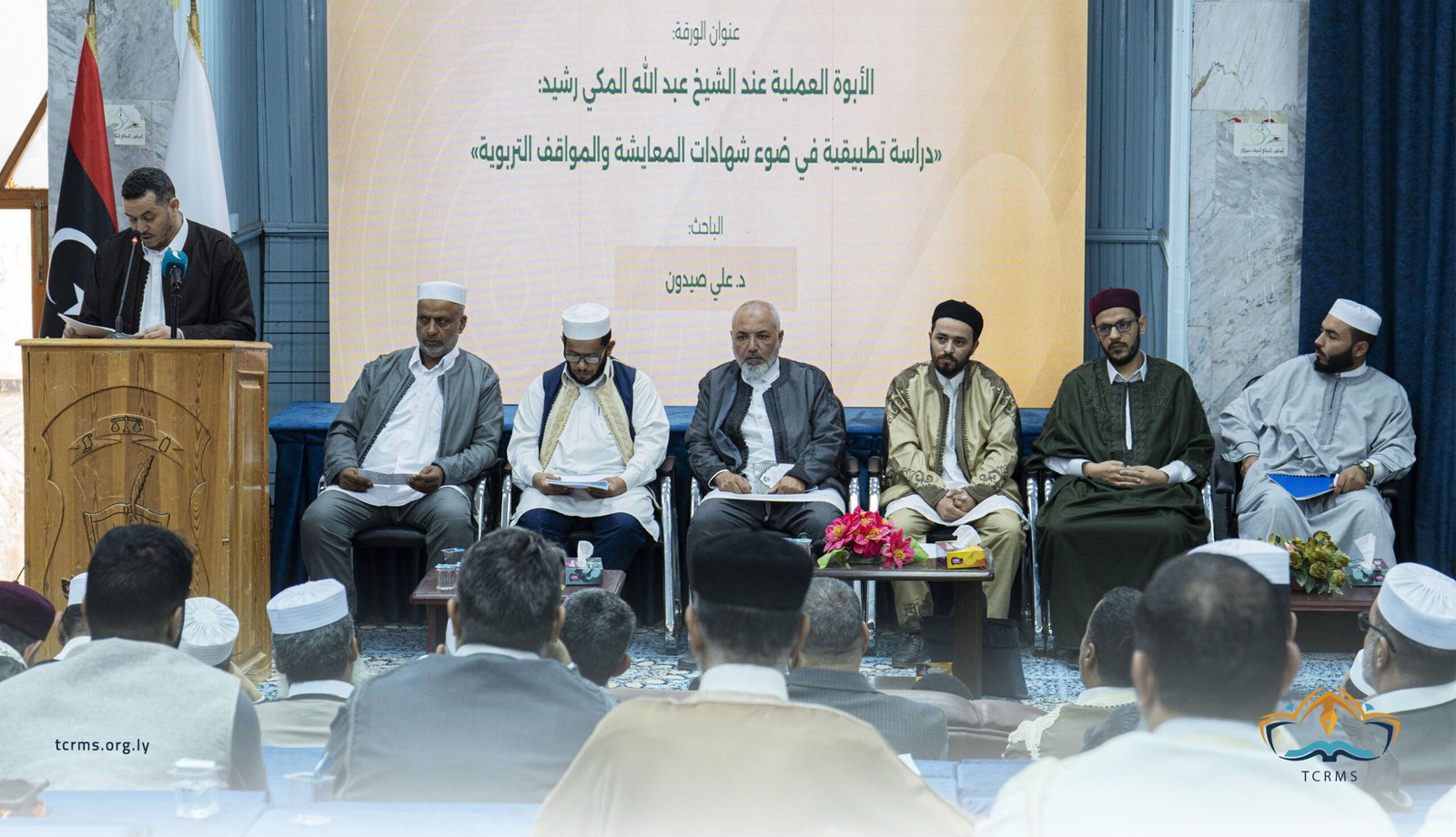
In a prominent and magnificent academic and cultural gathering celebrating figures of knowledge, intellect, and reform, the Al-Shaikh Al-Tahir Al-Zawi Center for Research and Manuscript Studies, in cooperation with the Faculty of Sharia Sciences in Msallata, organized a blessed academic seminar shedding light on the biography and journey of the late scholar Sheikh Abdullah Al-Makki Rashid, under the title: “Sheikh Abdullah Al-Makki Rashid (1363–1430 AH / 1944–2009 AD): Scholarship, Reform, and Legacy”.
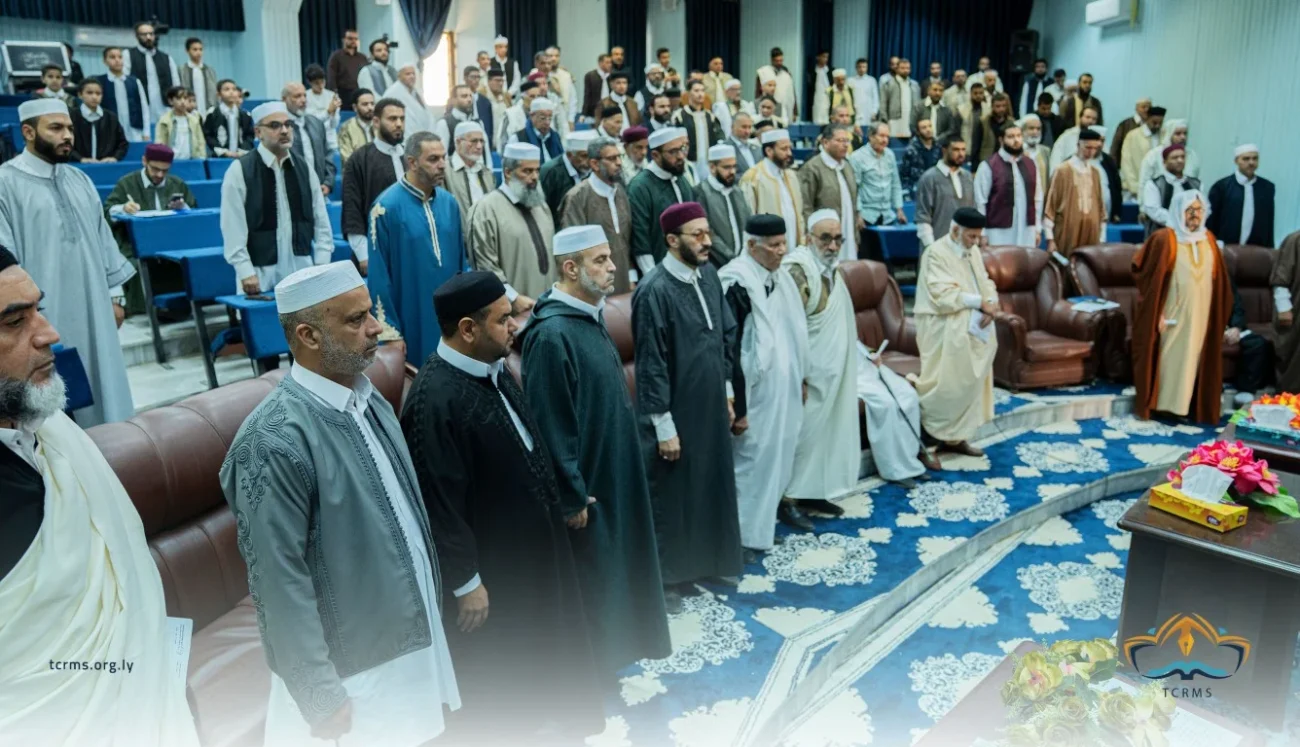
The seminar commenced with the recitation of verses from the Holy Quran, followed by the national anthem. This was followed by a series of official and welcoming speeches delivered by the organizing and participating bodies; it began with a speech by the Sheikh’s family, delivered by Sheikh Ezzeddine Abdullah Al-Makki. Speeches followed emphasizing the late scholar’s academic standing and societal role, including a speech by Dr. Abdul-Muttalib Qanbasha, Dean of the Faculty of Sharia Sciences in Msallata, followed by a speech by Mr. Muammar Buhair on behalf of the Msallata Municipal Council, and a speech by the Council of Elders and Notables of Msallata delivered by Sheikh Khamis Suleiman. Dr. Al-Ajaili Mohammed also participated with a speech on behalf of the students of the Asmariyya Zawiya in Zliten, and Dr. Salah Al-Shaab delivered the speech of the Al-Shaikh Al-Tahir Al-Zawi Center for Research and Manuscript Studies. The opening session concluded with a short documentary film summarizing bright milestones from the late Sheikh’s life and contributions.
The seminar featured several refereed academic sessions managed by an elite group of academics and scholars, discussing multiple themes covering the Sheikh’s scholarly, educational, missionary, and jurisprudential aspects:
The First Academic Session:
Chaired by Dr. Abdul-Hamid Al-Hami, featuring an elite group of scholars and professors (most notably Prof. Dr. Hamza Abu Faris, Prof. Dr. Faraj Al-Faqih, and Counselor Sheikh Hussein Dakhil) who presented scholarly readings and robust interventions on the milestones of the Sheikh’s journey.
The Second Academic Session:
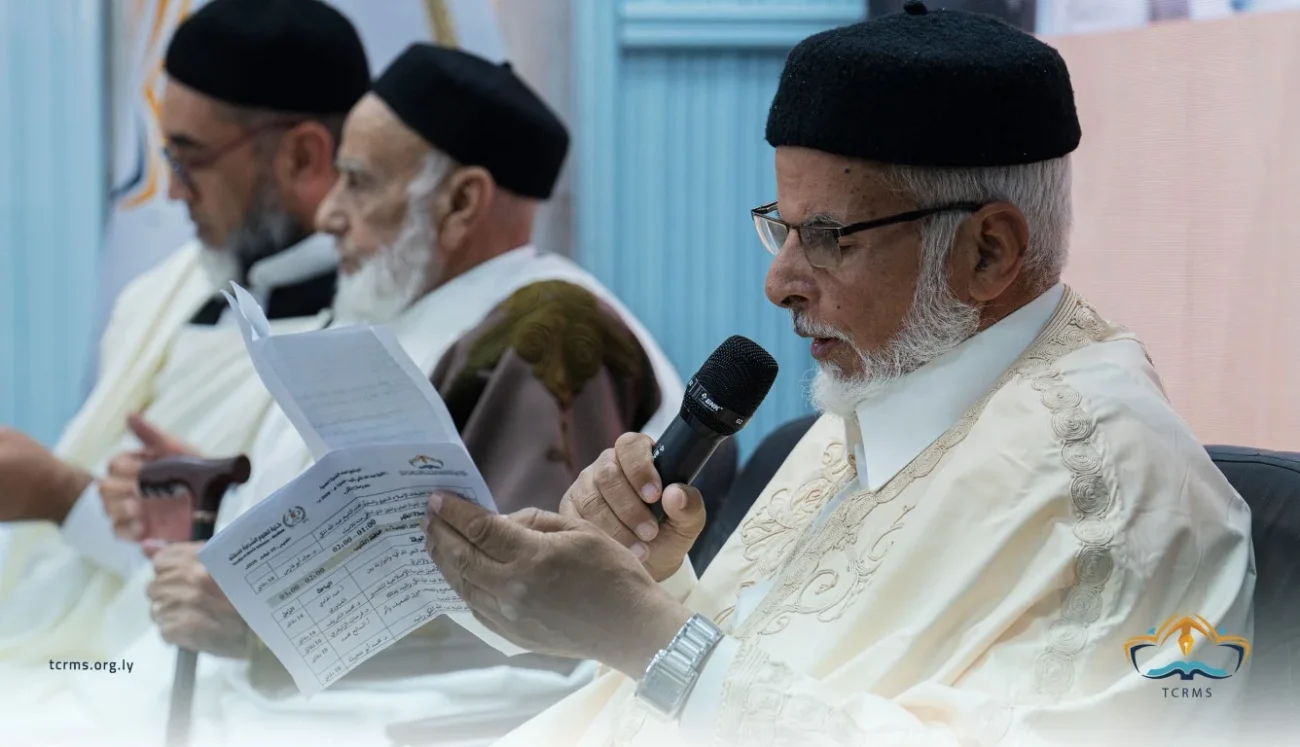
Managed by Dr. Abu Aisha Saud, focusing on educational, behavioral, and spiritual aspects. Working papers addressed various topics, such as: The Sheikh’s Practical Paternalism (Mr. Ali Sayedoun), Behavioral Traits in His Biography (Mr. Nasr Zourab), Educational Aspect and the Foundation of Sufism (Dr. Hussein Awn and Mr. Mohammed Dakhil), The Spiritual Aspect (Mr. Abdul-Fattah Daoub), The Impact of Shaykhhood and Field Visits to Zawiyas in Defending Sunni Sufism (Dr. Faraj Ashmila), culminating in a paper on the Icon of Knowledge and Influence on Students (Dr. Khaled Abu Faris).
The Third Academic Session:
Chaired by Dr. Hafez Al-Qulaib, discussing the Sheikh’s Quranic and Hadith efforts. It included papers addressing his rhetorical and spiritual tools in understanding the Quranic text (Mr. Abdul-Hadi Al-Fitori), his methodology in studying and grounding the reformist school of exegesis (Dr. Mohammed Al-Sharif), a reading of his exegetical methodology (Dr. Farhat Al-Zaniqri and Mr. Al-Saeh Mohammed), in addition to his scattered Hadith fragments (Dr. Mohammed Abu Ajaila), and his transmitted and rational standing in serving the Prophetic Sunnah alongside his discussion of Imam Muhammad Abduh’s positions (Dr. Abdul-Fattah Al-Kasih).
The Fourth and Final Academic Session:
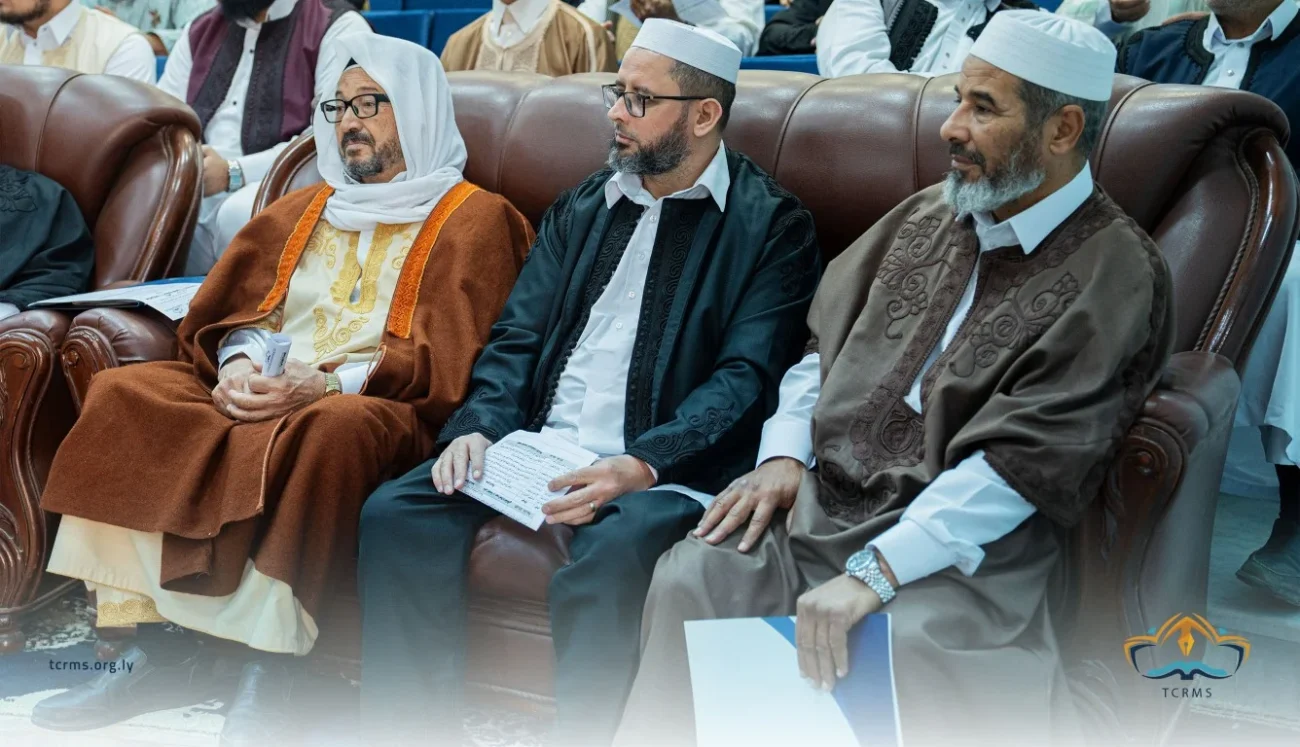
Managed by Dr. Abdul-Salam Al-Okashi, highlighting jurisprudential, ijtihadi, and intellectual aspects. It included research on fatwa construction (Mr. Hassan Al-Khaṣeeb), the Sheikh’s role as a mufti, arbitrator, and reformer (Dr. Issam Al-Khamri), collective dhikr and its proofs (Mr. Khamis Suleiman), his deductive methodology in Maliki jurisprudence (Dr. Mohammed Shira), the Sheikh’s stance on the rational tendencies of Imam Muhammad Abduh through the model of abrogation (Mr. M’hamed Abu Ajaila and Dr. Al-Mahjoub Al-Zaniqri), the Sheikh’s methodology in deconstructing scholarly texts (Mr. Al-Tohamy Ahmida), and intellectual genius and its impact on his encyclopedic formation (Dr. Abdul-Wahed Shoaib).
The seminar concluded with the closing session, where certificates of participation and appreciation were distributed to researchers and esteemed scholars who contributed to the success of this major academic forum, befitting the standing of Sheikh Abdullah Al-Makki Rashid and his immortal scholarly legacy.